
Why York Weather Is Hard on Gates
York sits in south-central Pennsylvania, where January nights average in the low 20s °F and winter keeps swinging above and below freezing. Each swing works water into posts, hinges and tracks and freezes it again. Plows push snow and salt against gates along the street. Spring brings the thaw and heavy rain, and summer brings humid heat and thunderstorms that test control boards and swell wood.
None of that has to stop a gate. Many winter failures start as something small in the fall: a roller getting louder, a leaf beginning to drop, a battery backup nobody tested. Routine maintenance through the year is what keeps a gate opening on the coldest morning.
Maintenance Calendar
Pick a month to see what your gate needs at that time of year.
Gate Maintenance Calendar
Choose a month to see what your gate needs at that time of year in the York area.
The tasks for the month you choose will appear here.
The Year at a Glance
| Season | Common issue | Recommended action | How often |
|---|---|---|---|
| Winter (Dec–Feb) | Ice and plowed snow in tracks and swing paths; salt on hinges and gear racks; posts lifted by frost | Clear the path after each snowfall, keep plow piles off the gate, rinse salt on mild days | After every snowfall |
| Spring (Mar–Apr) | Posts and hinges moved by freeze-thaw; salt residue; nests in operator housings | Inspect posts and hinges, wash, lubricate, test safety sensors | Once, after the last hard freeze |
| Early summer (May–Jun) | Growth in front of photo eyes; insects in control boxes; wood finish wearing | Trim, seal cable entries, refinish wood in a dry spell | Once, plus trimming as needed |
| High summer (Jul–Aug) | Storm surges to control boards; wood swelling in the humidity | Check the opener after storms; adjust a rubbing wood gate | After each big storm |
| Fall (Sep–Nov) | Leaves and acorns in tracks; worn parts that will fail in the cold | Clear the track, lubricate, test the battery backup, fix sagging leaves | Once before the first freeze |
Pre-Winter Gate Checklist
- Clear leaves, acorns and gravel out of the track and from under swing leaves.
- Clean and lubricate hinge pins, rollers and the drive chain or gear rack with a cold-weather lubricant.
- Have a sagging leaf, a loose hinge or a worn wheel fixed now, while the ground is still soft enough to work.
- Test the battery backup, if your opener has one, and replace a battery that is several winters old.
- Practice the manual release, so you know how it works before you need it in the dark.
- Check that the control box closes tight and that cable entries are sealed against water.
- Mark the gate posts or track edges with reflective stakes, and tell whoever plows where not to pile snow.
Spring Startup Checklist
- Walk the gate: look for posts that lean and ground that has cracked or heaved around them.
- Check that double gates still meet in line and that the latch catches without lifting.
- Wash off the winter's road salt, especially from the bottom rail, hinges and gear rack.
- Clean and lubricate the moving parts again.
- Test the safety reverse and the photo eyes with the gate moving and everyone clear.
- Look inside the operator and control box covers for nests, chewed wires and water.
- Clear the drain or gravel bed beside a slide track so spring rain cannot stand there.
What We Look At
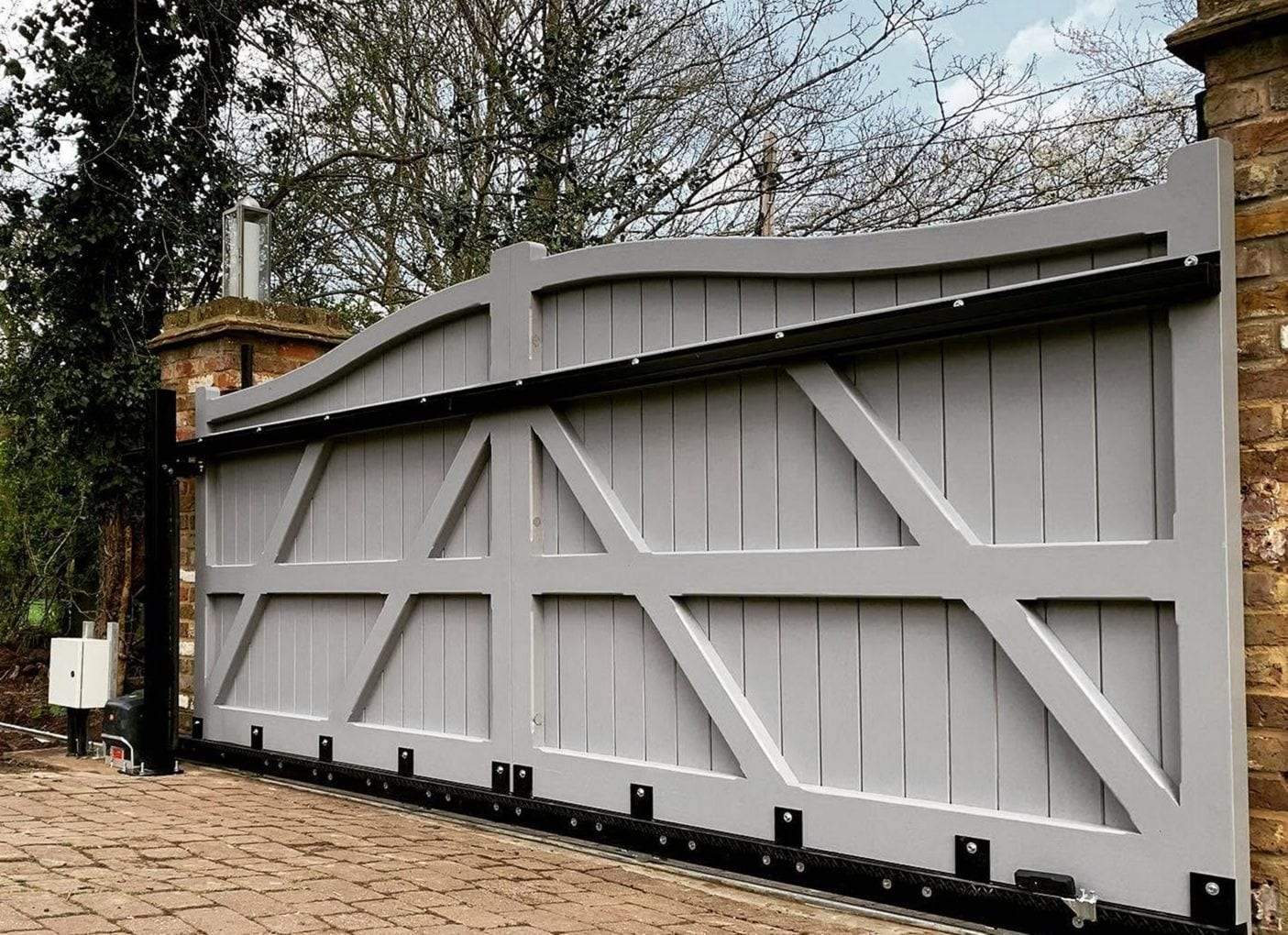
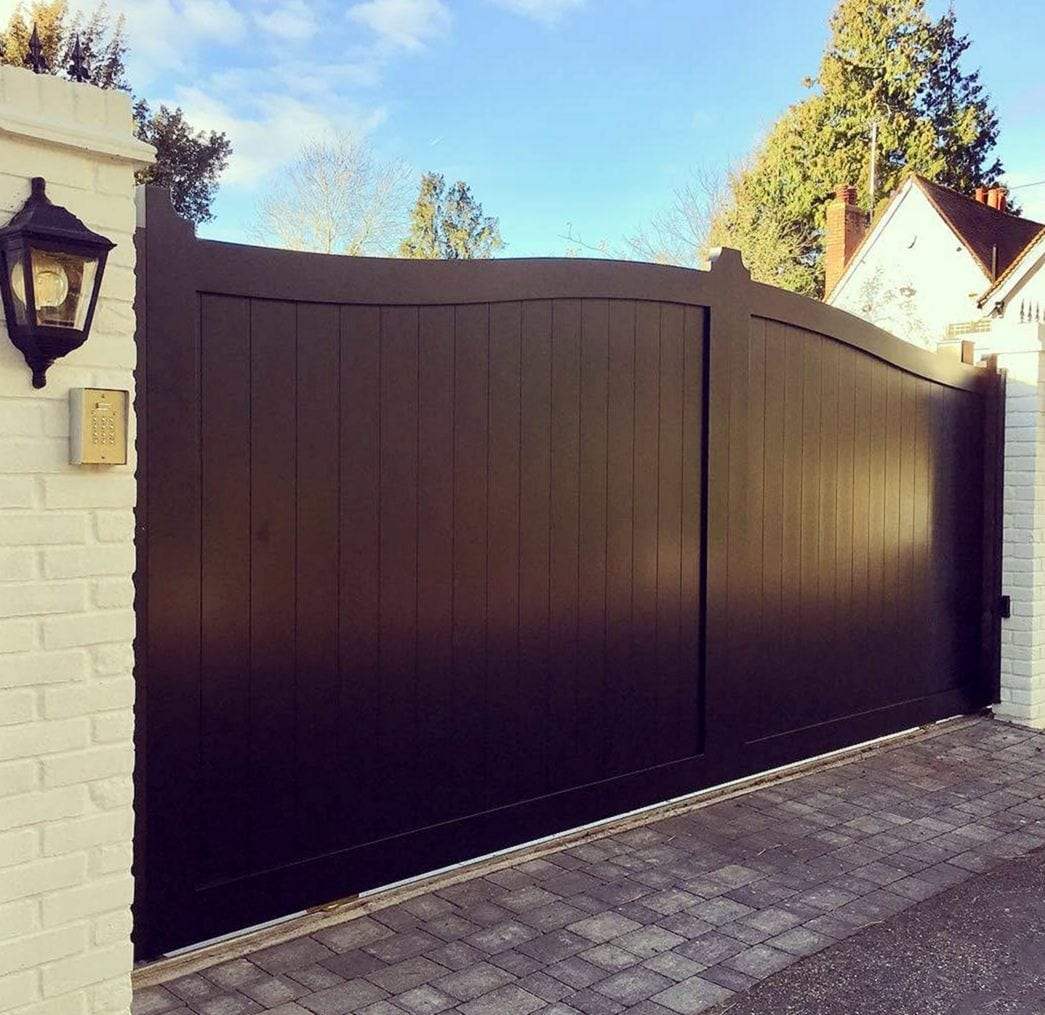
Seasonal Questions
How does freeze-thaw affect my gate?
Water in the soil expands as it freezes and can lift a post that is not set deep enough, then let it settle back crooked when it thaws. Over a few winters that tilts the hinge post, so the gate sags, drags or misses its latch. Water that gets into hinges, tubes and welds freezes and expands too, and slide tracks fill with ice that stops the gate and strains the opener. Posts set below the frost line and a gate kept adjusted are the best defense.
Should I lubricate my gate in winter?
Lightly, and with the right product. Thick grease stiffens in the cold and collects grit, so use a lubricant meant to stay workable at low temperatures, on the hinge pins, rollers and chain, on a dry, mild day. The best time for a thorough cleaning and lubrication is fall, before the freeze; in winter, the main job is keeping ice and salty slush off the moving parts.
Can humidity warp a wood gate?
Yes. Wood takes on moisture in York's humid summers and wet springs and gives it up in dry winter air, so boards swell and shrink every year. Unsealed faces, end grain and a bottom edge sitting near wet ground take on the most water, and that uneven movement is what twists a gate. A sealed finish on every face, a gap below the bottom rail, and a strong frame or diagonal brace keep it straight.