
Making a Gate Automatic
An automatic gate is three things working together: an opener (the motor and its control board) that suits the gate's weight and the way it moves; the access controls that tell it when to open, such as remotes, a keypad, an intercom or a phone app; and the safety devices that stop it from closing on a person, a pet or a car.
Most existing swing and slide gates can be automated if they move freely by hand and hang on solid posts. A gate that drags, sags or binds has to be fixed first: an opener pushing a binding gate wears out quickly and trips its own safety system. Power is the other question. Many York properties have power at the house but none near the gate, so the job may include a trench for the cable, or a solar opener where the drive is long and use is light.
Opener Systems Compared
| System type | Power source | Access methods | Best for |
|---|---|---|---|
| Swing gate opener, articulated arm | Household current, or low-voltage DC with battery backup | Remotes, keypad, intercom, phone app | Residential swing gates hung on wide brick or stone piers |
| Swing gate opener, linear ram | Low-voltage DC with battery backup | Remotes, keypad, intercom, phone app | Swing gates on slim metal posts with room behind the hinge |
| Underground swing opener | Low-voltage DC, motor in a box below the hinge | Remotes, keypad, intercom | Ornamental gates where nothing should show; needs good drainage |
| Slide gate operator, rack and pinion | Household or higher-voltage current, or DC with battery backup | Any: remotes, keypads, card or fob readers, intercoms | Wide or sloped drives, short drives, and most commercial gates |
| Solar-powered opener | Solar panel charging a battery | Remotes and keypad; low-power intercoms | Long rural drives far from power, with light daily use |
| Commercial-duty operator | Heavy-duty current, rated for frequent cycles | Access control system: cards, fobs, codes, phone entry, vehicle exit sensors | HOA entrances, apartment communities, fleet yards and businesses |
Cost depends on the opener, the distance to power, the number of access points and whether the gate needs repair first; you get the price for your gate before any work starts.
Access Options
- Remotes: the simplest choice for family cars. Keep a spare, and change batteries before winter.
- Keypads: a code for visitors, deliveries and service people, mounted where a driver can reach it from the window.
- Intercoms: wired, wireless or cellular; visitors call the house or your phone and you open the gate from there.
- Phone control: a Wi-Fi or cellular controller to open the gate and check its status from anywhere.
- Cards and fobs: for businesses and HOAs, so each user has their own credential that can be switched off.
- Exit sensors: a vehicle detector in the drive that opens the gate for cars leaving, so no one needs a remote to get out.
Safety Comes With the Opener
Automatic gate openers are tested and listed to the UL 325 safety standard, and since 2016 that standard has required at least two independent kinds of entrapment protection, with external sensors that the opener monitors on every cycle. In practice that means photo eyes across the opening, contact edges on the gate where it could pinch, and a control board that falls back to hold-to-run operation if a sensor is missing or faulty. We place and test them for your gate, and the process and standards page explains the standards in more detail.
Is Your Property a Good Fit for Automation?
- The gate swings or slides freely by hand and does not drag, sag or bind.
- The posts are solid and plumb, and the hinges or slide hardware are in good condition.
- There is power within reach of the gate, or enough sun and light enough use for a solar opener.
- A swing gate has clear, level ground across its arc, or a slide gate has a clear run beside the opening.
- Cars can stop off the road while the gate opens, so no one waits in traffic.
- Pedestrians have a separate walk gate, so no one has to walk through the moving vehicle gate.
If two or more of these are a "no", it is usually still possible; the gate or the site just needs some work first.
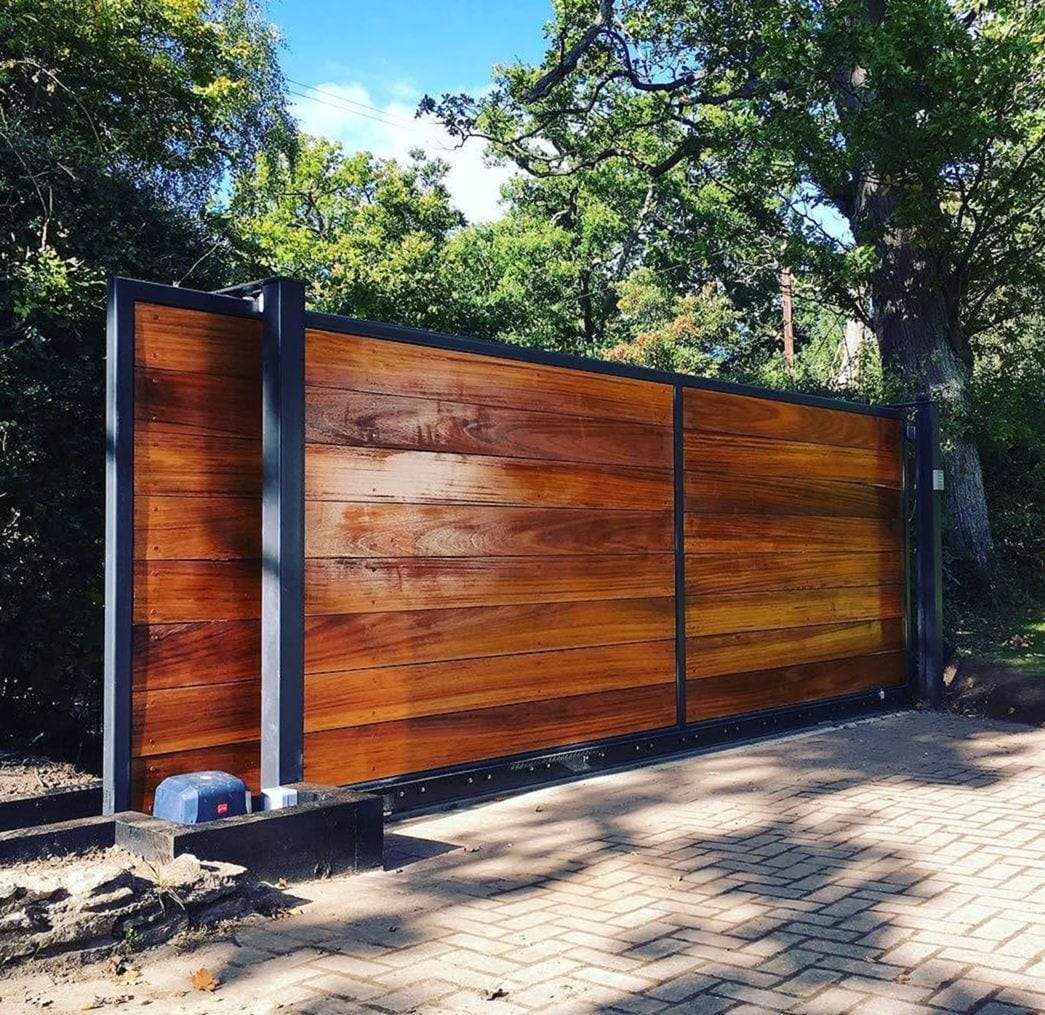
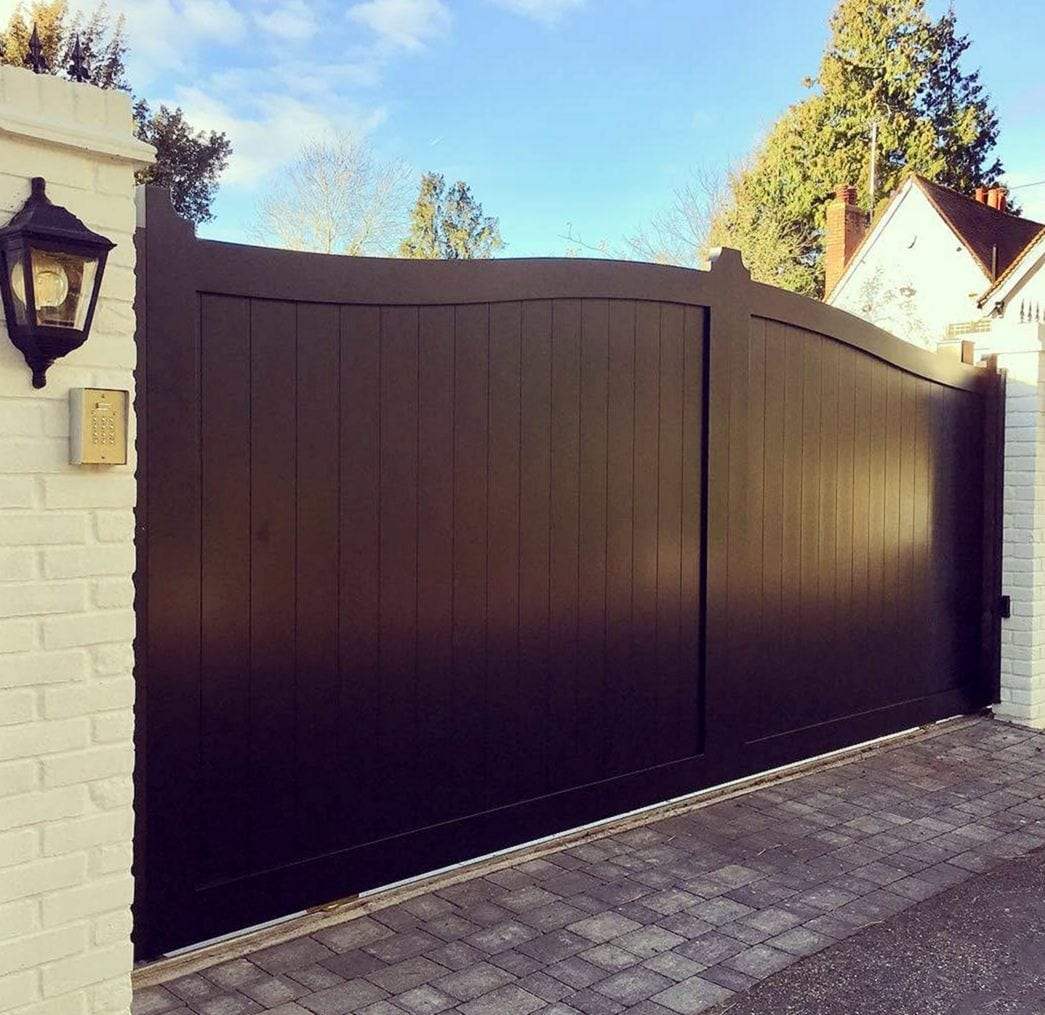
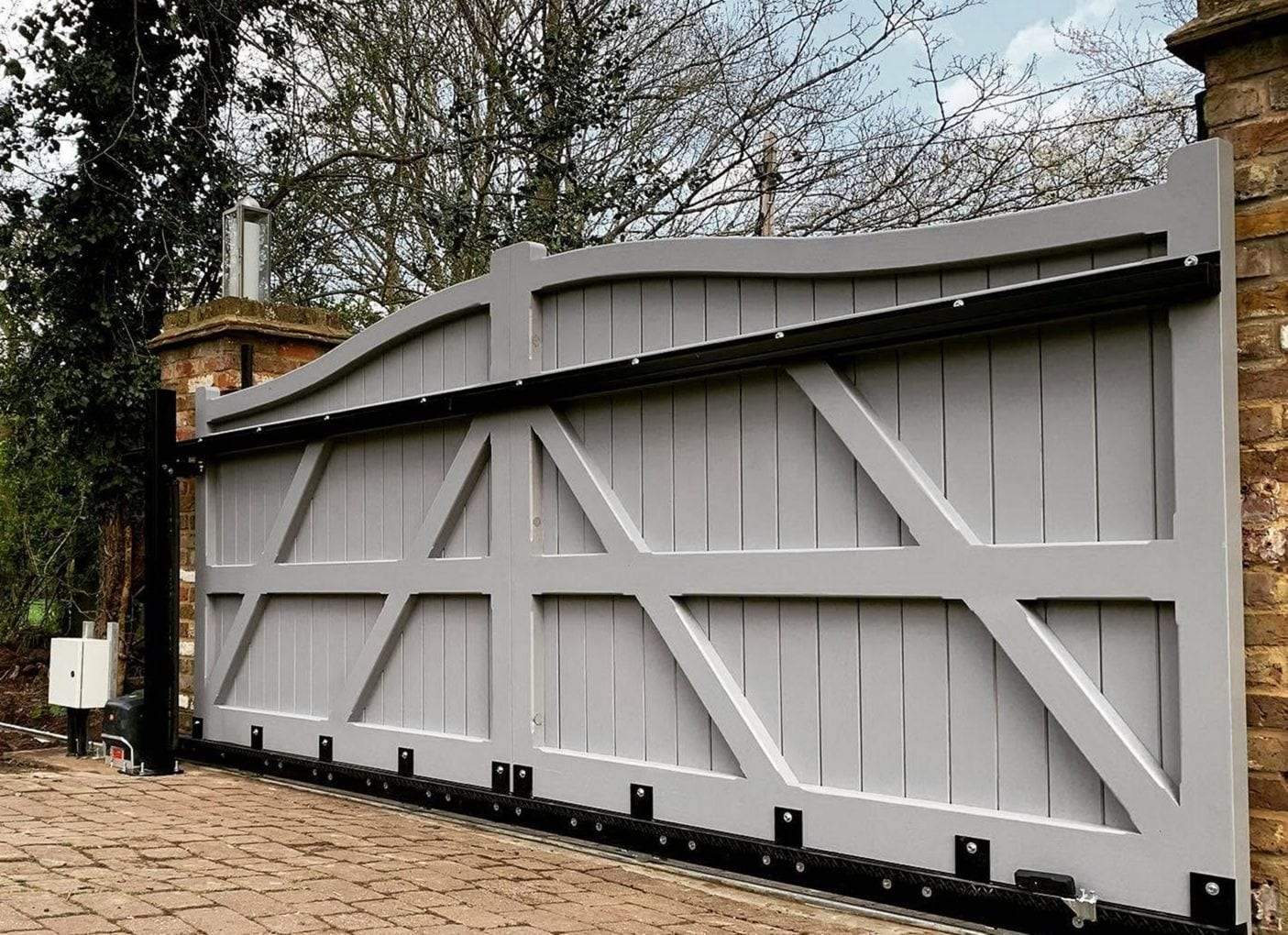
Openers and Keypads Installed
Automation Questions
Will my gate work during a power outage?
With a battery backup, yes, for a limited number of cycles. Most low-voltage DC openers can carry a backup battery that keeps the gate running through an outage; how many cycles depends on the gate, the opener and the battery's age and temperature, and batteries hold less charge in a York January. Every opener also has a manual release, a key or lever that lets you disconnect the motor and move the gate by hand once it is switched off. We show you where yours is at the walkthrough.
Can I control it from my phone?
Usually. Many openers accept a Wi-Fi or cellular controller that lets you open the gate, see whether it is open or closed, and let a visitor in from anywhere. Wi-Fi needs a reliable signal at the gate, which is often the weak point on long drives; a cellular unit avoids that but carries its own monthly service. We check which suits your gate and your signal.
Is it pet and wildlife safe?
A properly installed automatic gate is designed to stop and reverse when something is in its path. Today's openers must monitor their external safety devices, such as photo eyes and contact edges, and will not run normally if one is missing or faulty. Photo eyes set at the usual height can miss a small dog or a cat lying low, so keep pets away from a moving gate and teach children that the gate is not a toy. Openings in the gate itself should be small enough that a paw, a head or a hand cannot pass through where the gate moves past a post.